In short
- Concrete stairs become severely icy and slippery in winter.
- Wear walking shoes with a strong grip and warm thermal layers.
- Explore the deteriorating terraces and waterfront edges at your own risk.
In this article
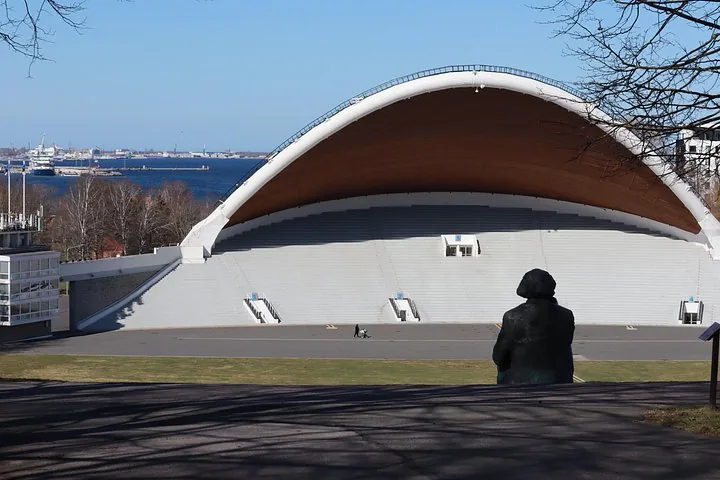
Visiting Linnahall during the freezing months offers a unique atmosphere, but it comes with real physical risks. The exterior is free and usually open to walk on, though some parts are fenced off. This means winter maintenance is nonexistent. You must prepare for biting winds off the Baltic Sea and completely frozen surfaces.
Are the concrete stairs dangerous in winter?
Yes, the steep concrete stairs become completely covered in ice and are extremely slippery.
Exercise extreme caution when climbing to the rooftop promenade. The grand staircases lack heating or salt treatments, making them prone to severe icing. Visitors explore at their own risk. Watch your step closely on the deteriorating concrete.
What other physical hazards exist on the terraces?
You must watch out for uneven surfaces, large cracks, and exposed rebar.
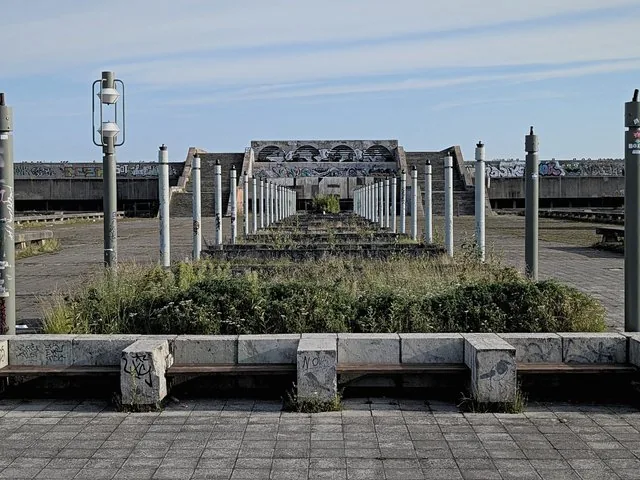
Linnahall is a deteriorating structure built between 1976 and 1980. The concrete terraces are crumbling in places. Snow often hides these tripping hazards. Step carefully as you explore the sprawling exterior.

Is the seaside area safe during winter?
The waterfront edges are unguarded and require caution, especially when icy.
The lower levels of Linnahall descend directly into the cold waters of the Gulf of Finland. There are no modern safety barriers separating the concrete from the sea. Freezing spray can make the pier area highly slippery.
What should I wear for a winter visit?
Wear strong-grip walking shoes, warm thermal layers, gloves, and a hat.
Proper footwear is your best defense against the icy concrete. Coastal winds off the Baltic Sea are biting. A heavy windbreaker or jacket is necessary. Bring a small backpack to keep your hands free for balance on the steep staircases.
Is visibility an issue during winter?
Winter days in Estonia are short, and the unlit exterior can be hard to navigate in the dark.
If you plan to take a guided interior tour, bring a flashlight or headlamp. The abandoned interior is dimly lit. The exterior terraces also lack consistent modern lighting. Sunset arrives early during the winter months.
Are there facilities or staff at Linnahall?
No, there are no active vendors, facilities, or staff immediately on the structure.
The exterior is unstaffed and completely free to access. Since you explore at your own risk, it is best to visit with a partner. If an accident occurs on the icy stairs, you will need to rely on your own phone to call for help.

Questions travellers ask
Can I enter the building to escape the cold?
No, the massive interior is locked and mostly abandoned. You can only access the inside by booking an official guided tour with the Estonian Centre for Architecture.
When is the safest time to visit?
Late spring to early autumn (May to September) is the best and safest time to visit. The steps are clear of ice, and the coastal winds are less severe.
Are the stairs treated with salt in the winter?
No, the exterior terraces and rooftop are unmaintained. Snow and ice accumulate naturally, so you must use extreme caution on the grand staircases.